Your garden looks tired. Weeds poke through mulch like unwelcome guests. Rain turns pathways into mud pits. And that “zen gravel corner” you imagined? It’s either washed away or buried under leaves. You bought garden gravel thinking it was a set-and-forget fix. But now you’re stuck wondering: landscaping supply garden gravel what to actually do with it—beyond just dumping bags and hoping?
Why Most Garden Gravel Projects Fail Within a Year
People treat gravel like filler. They skip base prep. They pick the wrong size. Or they ignore drainage entirely. The result? Sinking stones, muddy puddles, and weeds laughing at your “barrier.”
And here’s the kicker—most big-box stores push decorative gravel without explaining performance trade-offs. Pretty ≠ practical.
landscaping supply garden gravel what to Do Right: A No-BS Step-by-Step Plan
Pick the Right Type—Not Just the Prettiest
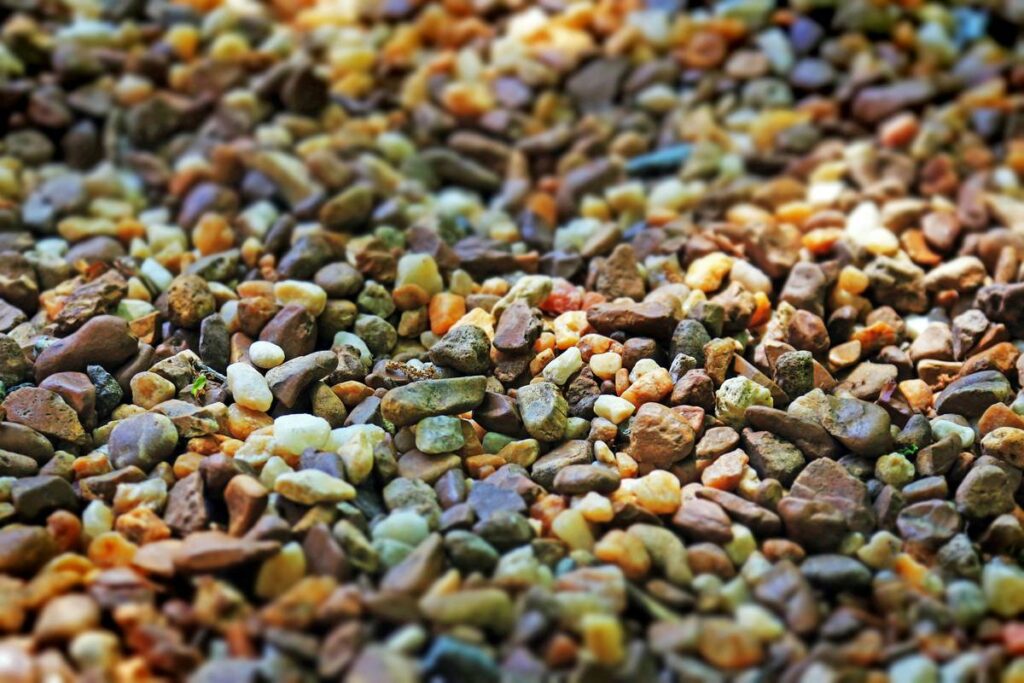
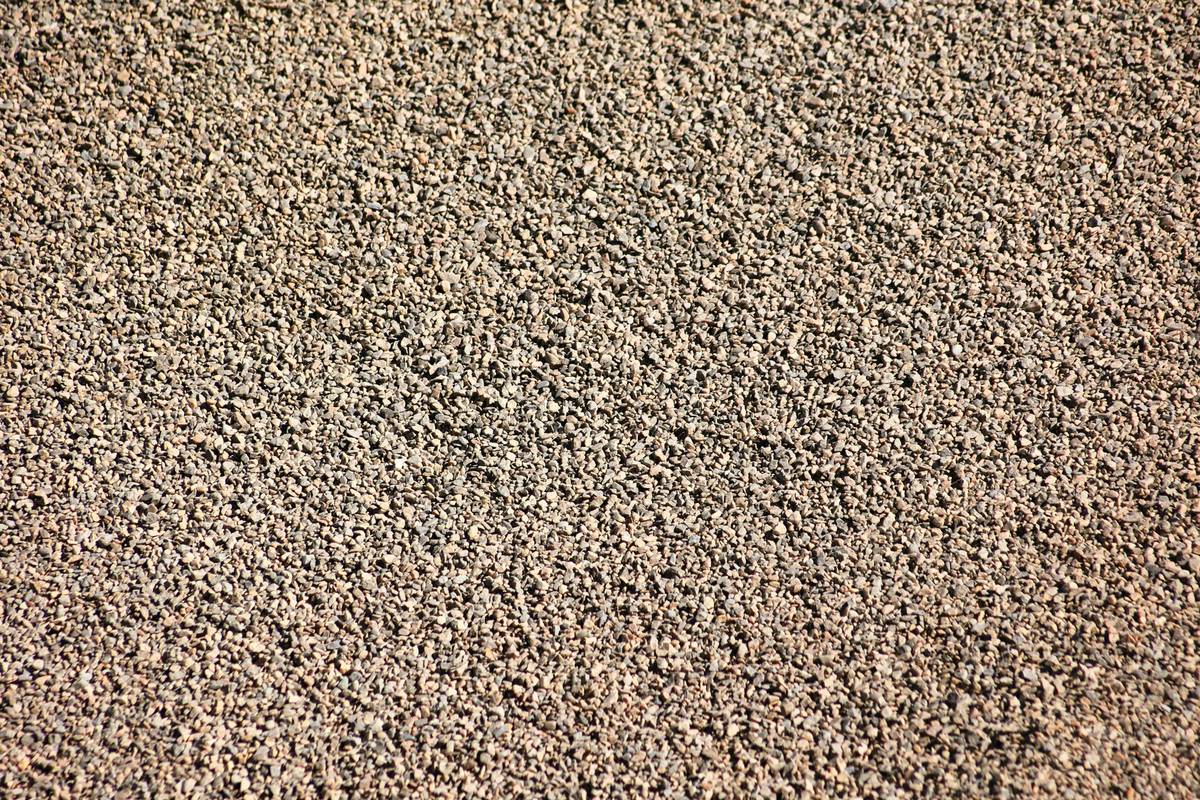
Pea gravel looks soft but shifts underfoot. Crushed granite locks in place and drains fast. Decomposed granite compacts like pavement—but only if installed correctly. Match material to function: paths need stability; dry creek beds need flow.
Prep Like a Pro (This Is Where 90% Quit)
Scrape topsoil down 4–6 inches. Add landscape fabric—not the flimsy kind from discount bins. Then lay 3 inches of compacted road base. Tamp it hard. Without this, your gravel sinks into mud every winter.
Think about it: gravel isn’t the surface. It’s the finish coat on engineered earth.
Install Depth & Edging That Lasts
Pour 2 inches for paths. 3+ for driveways. Use steel, aluminum, or sunken timber edging—nothing flimsy. Loose edges mean gravel migrates onto lawns. Fast.

| Gravel Type | Best For | Cost per Sq Ft (Installed) | Weed Resistance |
|---|---|---|---|
| Pea Gravel (3/8”) | Decorative beds, light foot traffic | $2.50–$4.00 | Moderate (shifts easily) |
| Crushed Granite (1/4” minus) | Paths, patios, high-drain zones | $3.00–$5.00 | High (compacts tightly) |
| Decomposed Granite (stabilized) | Driveways, ADA-compliant surfaces | $4.50–$7.00 | Very High (when sealed) |
| River Rock (1–2”) | Dry creek beds, accent zones | $3.00–$6.00 | Low (gaps invite weeds) |

The Industry Secret: Gravel Isn’t Permanent—It’s a System
Contractors won’t tell you this: gravel landscapes need maintenance cycles. Every 18–24 months, you’ll re-rake settled areas, top off thin spots, and refresh fabric seams. The secret? Design for renewal. Leave access points. Use uniform gravel so patches blend invisibly. And never—ever—mix new gravel over old without cleaning first. Contaminated layers trap moisture and breed mold underfoot.
One local Seminole job I audited last spring? Homeowner dumped fresh gravel over two-year-old pea stone full of leaf mold. Within weeks, mushrooms popped up. Not exactly “serene.”
FAQ
What size gravel is best for garden paths?
Use 3/8” crushed granite or similar angular gravel—it locks together underfoot and resists shifting far better than rounded pea gravel.
Does garden gravel stop weeds completely?
No. But paired with quality landscape fabric and proper depth (2+ inches), it reduces weeds by 80–90%. Replenish fabric every 5 years.
Can I install garden gravel over existing grass?
Don’t. Grass roots will grow through and lift gravel. Kill vegetation first, scrape soil, then install base layers as outlined above.