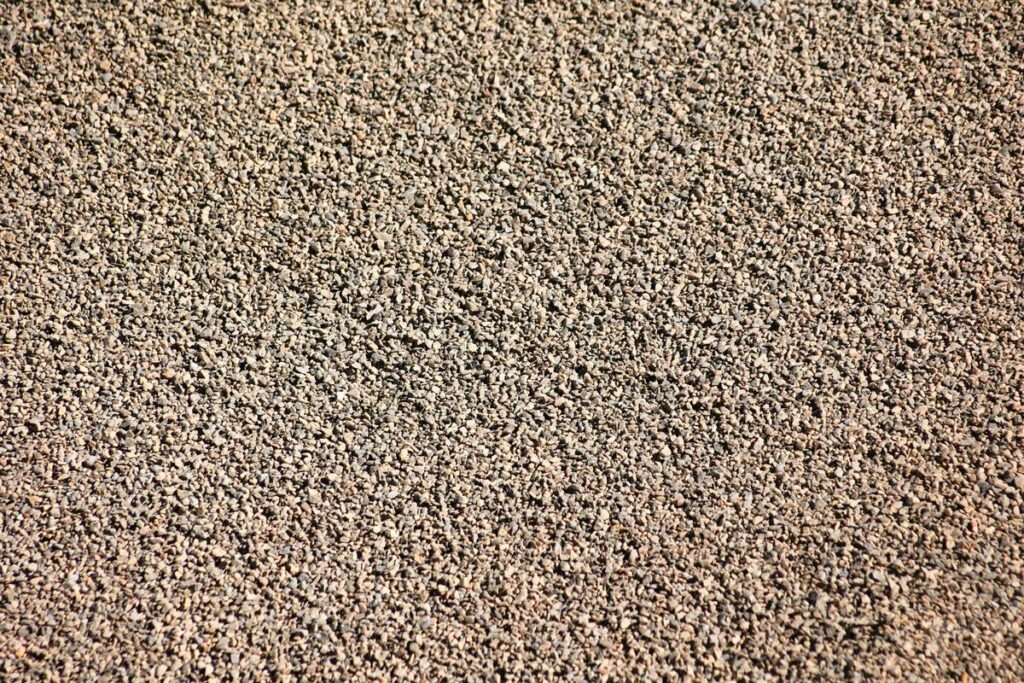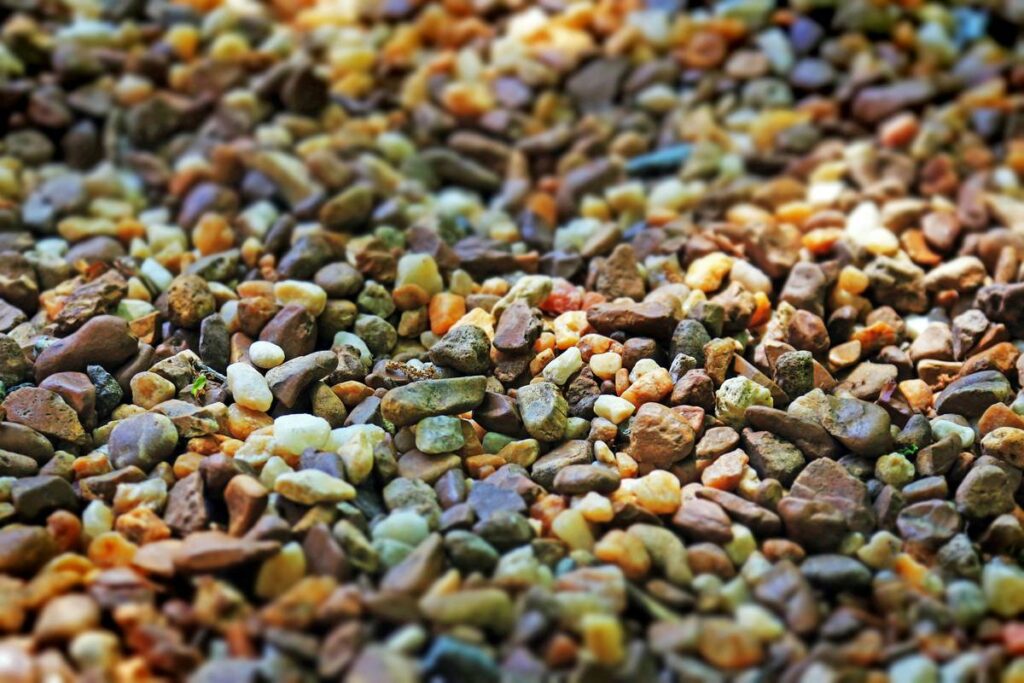
Gravel looks simple. Dump it down, rake it smooth, done. But within months? Weeds erupt. Paths sink. Edges blur into mud. You’re left wondering why your “low-maintenance” yard now needs constant attention. The truth? Not all gravel is created equal—and using the wrong type sabotages your entire outdoor design before it even takes root.
The Core Problem: Why Standard Gravel Fails in Real Gardens
Big-box stores push generic crushed stone labeled “decorative.” Sounds harmless. It’s not. That stuff shifts underfoot, compacts unevenly, and offers zero drainage control. Worse—it invites moss and weeds because it lacks angularity to lock together. And if you’ve ever tried walking barefoot across pea gravel after a rain? Forget comfort.
Garden landscaping gravel isn’t just filler. It’s structural armor for your soil, a weed barrier, a visual anchor. Treat it like an afterthought, and your landscape pays the price—literally and aesthetically.
Your Step-by-Step Guide to Choosing & Installing Garden Landscaping Gravel
Pick the Right Type for Function, Not Just Looks
Want paths that stay firm? Go angular. Crushed granite or decomposed granite binds under pressure. For dry creek beds or drainage zones, use ¾-inch river rock—it won’t wash away. Avoid rounded stones like pea gravel for high-traffic areas; they roll and shift too easily.
Prep Like a Pro—Skip This and Regret It
Scrape 4–6 inches of topsoil. Lay geotextile fabric—not plastic. Plastic traps moisture and kills beneficial microbes. Fabric lets water through while blocking weeds. Then add 2 inches of base rock (like Class II road base), compact it, and then spread your final garden landscaping gravel layer (1.5–2 inches thick).
Maintenance Isn’t Optional—But It’s Minimal
Rake annually. Top off every 2–3 years. Keep organic debris off the surface—leaves decompose and create soil pockets where weeds sprout. A leaf blower works better than a broom here.
| Gravel Type | Ideal Use Case | Cost per sq ft (Installed) | Weed Resistance |
|---|---|---|---|
| Crushed Granite (1/4”) | Walkways, patios | $2.80–$4.20 | High (when compacted) |
| Decomposed Granite | Natural trails, rustic zones | $1.90–$3.50 | Medium (needs stabilizer) |
| River Rock (3/4”) | Drainage swales, borders | $3.20–$5.00 | Low (gaps invite growth) |
| Pea Gravel | Decorative accents only | $2.50–$3.80 | Poor (shifts easily) |
The Industry Secret: Gravel Size Dictates Long-Term Behavior
Here’s what suppliers won’t tell you: particle size distribution matters more than color. A mix of fines (dust) and larger stones creates natural binding. Pure uniform gravel—like all 3/8” chips—looks clean but acts like ball bearings when wet. It migrates, erodes, and leaves voids.
Ask for “minus” material. That means it includes smaller particles that fill gaps and stabilize. For example, “1/4 minus” crushed granite stays put. “1/4 clean” rolls away in a breeze. The math is simple: cohesion = longevity. And longevity = less work for you.
And yes—this affects drainage too. Too many fines? Water pools. No fines? Water rushes through, taking nutrients with it. The sweet spot is 10–15% fines by volume. Few contractors test this. You should.
FAQ
What’s the best gravel for dog-friendly yards?
Crushed granite or decomposed granite with stabilizer. Rounded stones hurt paws; sharp edges aren’t ideal either. Angular but smooth-edged gravel offers grip without injury.
Can I lay garden landscaping gravel directly on soil?
Technically yes—but it’ll sink, mix with dirt, and become a muddy mess within a season. Always use geotextile fabric and a compacted base layer first.
How deep should garden gravel be for proper drainage?
Minimum 1.5 inches for decorative use. For functional paths or drainage channels, go 2–3 inches over a 2-inch compacted base. Depth without prep is wasted depth.