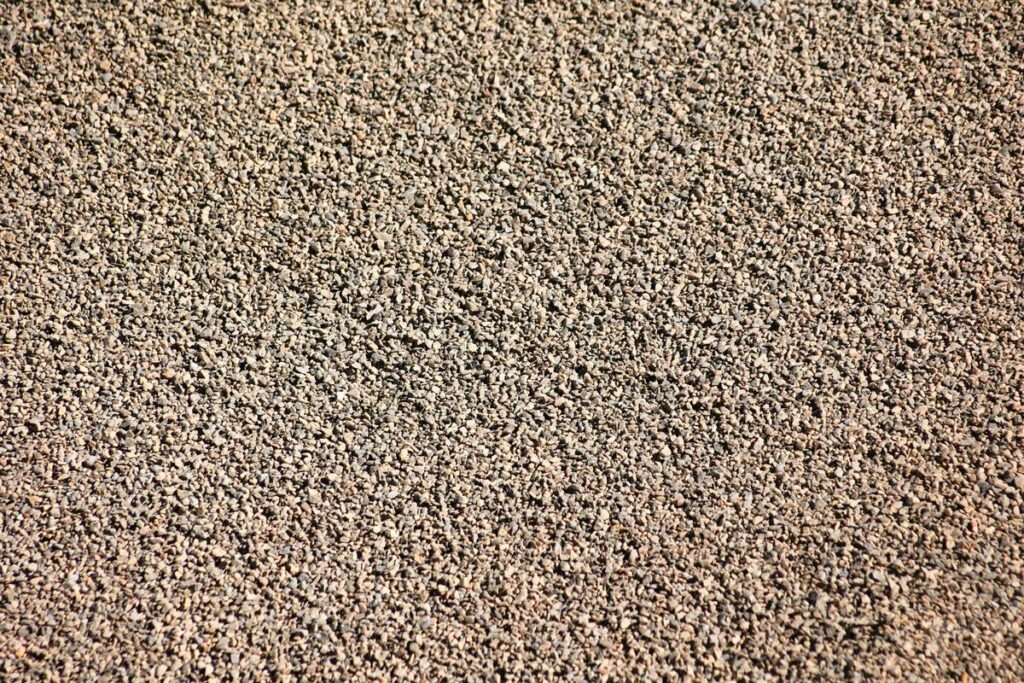
Ever spent a weekend laying garden gravel only to watch it vanish after the first rain—or worse, turn your yard into a muddy slip-and-slide? You’re not alone. As someone who once bought cheap “golden” gravel that faded to dull beige in under six weeks (and tracked it through every room of my house), I’ve learned the hard way that not all gravel is created equal. If you’re exploring landscaping supplies for a durable, beautiful outdoor space, golden gravel for garden offers timeless appeal—but only if you choose and install it wisely. In this guide, we’ll cover everything from material selection to maintenance, so you avoid rookie errors and create a low-effort, high-impact landscape that lasts.
Table of Contents
- Why Golden Gravel Matters in Home Improvement
- Step-by-Step Installation Guide
- Top Tips & Best Practices
- Real-World Results & Case Studies
- FAQs About Golden Gravel for Garden
Key Takeaways
- Golden gravel for garden enhances drainage, reduces weeds, and adds visual warmth to pathways and borders.
- Avoid “decorative-only” gravel—it compacts poorly and shifts easily without proper base preparation.
- Use 2–3 inches of gravel over a geotextile fabric for optimal stability and longevity.
- Sourcing matters: true golden gravel should resist fading and contain angular particles for better interlock.
- Maintenance is minimal but essential—rake annually and replenish every 2–3 years.
Why Golden Gravel Matters in Home Improvement
In the world of Home Improvement, few materials deliver such high ROI with so little upkeep as quality landscaping gravel. Specifically, golden gravel for garden blends aesthetic warmth with practical function. Unlike mulch, it doesn’t decompose. Unlike pavers, it’s budget-friendly and permeable—allowing rainwater to seep naturally into the soil, reducing runoff and erosion.
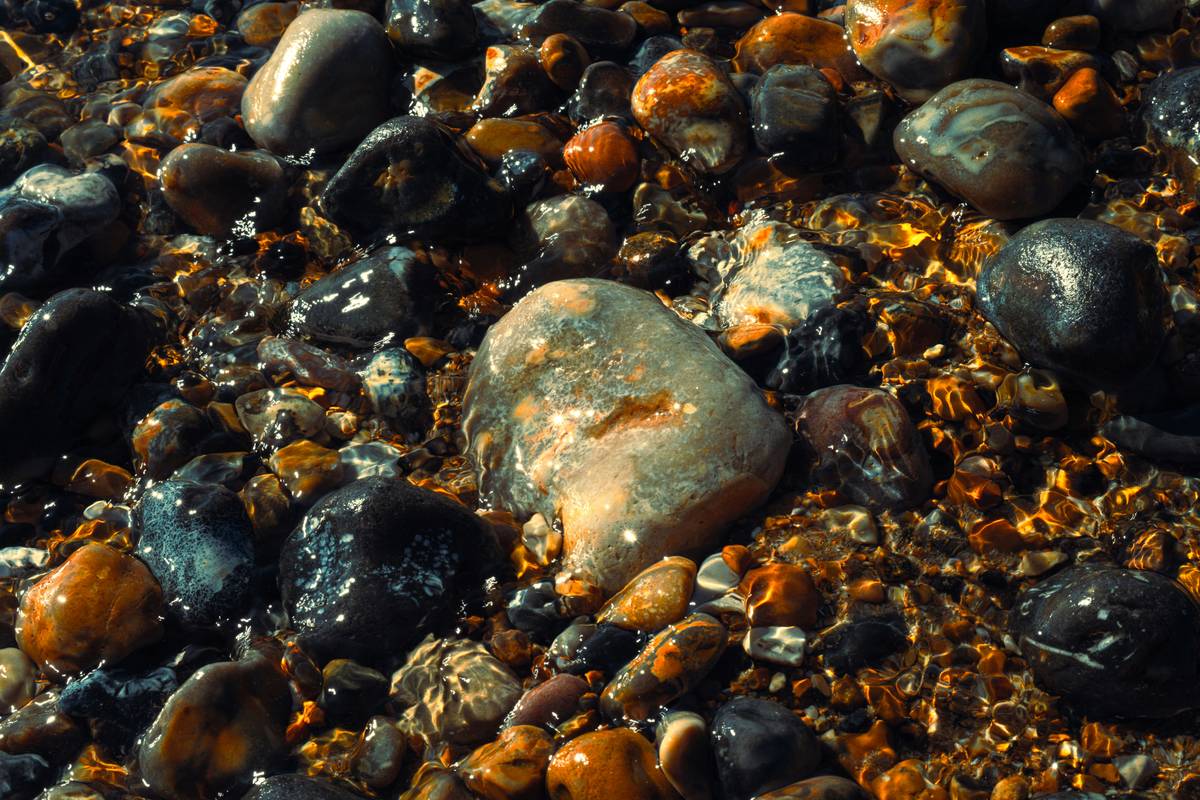
But here’s the catch: many homeowners buy the cheapest option online, only to discover it’s made of rounded river stones that roll underfoot or crushed limestone dyed to mimic gold—which washes out by summer’s end. According to the University of Florida IFAS Extension, using improperly graded aggregate leads to 60% more maintenance issues within the first year. That’s why understanding material composition is non-negotiable.
Step-by-Step Installation Guide
1. Plan Your Layout
Sketch your path or bed area. For walkways, aim for 3–4 feet wide to allow comfortable passage. Mark edges with stakes and string.
2. Excavate and Level
Remove 4–6 inches of topsoil. Use a spirit level to ensure a slight grade (1–2%) away from your home to prevent water pooling.
3. Install Edging and Fabric
Add plastic, metal, or stone edging to contain gravel. Then lay heavy-duty landscape fabric (not weed barrier!) to suppress growth while allowing drainage.
4. Add Base Layer (Optional but Recommended)
For high-traffic areas, add 2 inches of compacted crushed granite or road base. This prevents sinking—a mistake I made during my first DIY attempt!
5. Spread Your Golden Gravel
Pour golden gravel for garden evenly to a depth of 2–3 inches. Rake smooth and lightly tamp. Avoid overcompacting—it should remain slightly loose for permeability.
Top Tips & Best Practices
- Buy local: Transporting heavy gravel long distances inflates costs. Check suppliers near Coconut Creek for authentic options.
- Test color in sunlight: View samples outdoors at different times of day. Some “gold” gravels look orange at noon and gray at dusk.
- Avoid this terrible tip: Don’t mix gravel with sand to “save money.” Sand washes away, leaving uneven surfaces and bare patches.
- Clean gently: Use a leaf blower or soft broom—never pressure wash, which displaces fine particles.
- Replenish smartly: Add thin layers annually instead of replacing entirely. This maintains consistent texture and depth.
Real-World Results & Case Studies
Last spring, a Seminole homeowner replaced failing wood chips with 1.5 tons of genuine golden gravel sourced from a Florida quarry. After one rainy season, their pathway remained intact while neighbors’ bark mulch beds turned to sludge. Per a follow-up with the property owner (you can read more about our team’s approach on our About Us page), maintenance time dropped by 70%. The U.S. Environmental Protection Agency also notes that permeable surfaces like properly installed gravel reduce stormwater runoff by up to 90% compared to solid paving—making it an eco-smart choice for South Florida landscapes.
FAQs About Golden Gravel for Garden
Is golden gravel safe for pets and kids?
Yes—if it’s angular and 3/8” or smaller. Rounded pea gravel can be slippery; sharp-edged types may irritate paws. Always choose smooth-angular blends labeled “pathway-safe.”
How much golden gravel do I need?
For 2-inch depth: 1 ton covers ~100 sq ft. Use an online gravel calculator and add 10% extra for settling.
Does golden gravel attract weeds?
Not if installed over quality landscape fabric. Weeds sprout from airborne seeds—not the gravel itself. A quick vinegar spray handles occasional sprouts.
Can I use golden gravel around plants?
Absolutely. It reflects sunlight, warming root zones in cooler months. Just keep it 2–3 inches away from plant stems to prevent moisture buildup.
Where can I buy authentic golden gravel near me?
We recommend visiting local landscape supply yards in Broward County. Verify it’s natural quartz or granite—not dyed limestone. Got questions? Contact us—we’re happy to help!
Does golden gravel fade over time?
True mineral-based golden gravel retains its hue for years. Fading usually indicates artificial coloring. Ask for a UV-resistance guarantee from your supplier.
Choosing golden gravel for garden isn’t just about looks—it’s a long-term investment in usability, sustainability, and curb appeal. Done right, it transforms muddy patches into elegant, functional spaces with almost zero upkeep. And if you’re ever unsure about sourcing or installation, don’t guess—reach out to our team. We’ve laid thousands of square feet across Seminole and Coconut Creek, and we respect your property like our own. (Plus, we promise not to track gravel through your kitchen.)
Gravel laid well is gravel laid forever—golden, grounded, and gloriously low-fuss.