If you’ve ever pulled up a wilting plant only to find soggy, rotting roots tangled in fine soil, you’re not alone. Many homeowners assume garden gravel is just for looks—but its impact on gravel root health benefits runs far deeper (literally). At Seminole Coconut Creek, we’ve helped countless South Florida residents transform patchy yards into thriving outdoor oases, and one consistent game-changer? Strategic gravel use. In this guide, you’ll discover exactly how the right gravel boosts root vitality, prevents disease, and saves you money long-term—all while avoiding common DIY disasters.
Table of Contents
- Why Gravel Matters for Root Systems
- Step-by-Step Guide to Optimal Gravel Placement
- Best Practices for Maximizing Root Health
- Real-World Results with Garden Gravel
- Frequently Asked Questions
Key Takeaways
- Proper gravel layers improve drainage and oxygen flow—critical for healthy roots.
- Not all gravel is equal: size and composition directly affect gravel root health benefits.
- Avoid compacting gravel or using landscape fabric beneath—it suffocates roots.
- Pair gravel with native plants for low-maintenance, drought-resilient landscaping.
- Mistakes like over-mulching or poor depth can negate all potential benefits.
Why Gravel Matters for Root Systems
I once laid 3 inches of pea gravel around a newly planted bougainvillea—thinking “more is better.” Within weeks, the plant yellowed and dropped leaves. Turns out, I’d created a perched water table: fine particles trapped moisture against the stem, rotting the crown. That painful lesson taught me that gravel isn’t just decorative; it’s a functional layer that, when installed correctly, supports vital gravel root health benefits.
Roots need air as much as water. Heavy clay or compacted soils restrict oxygen, inviting pathogens like Phytophthora. According to the University of Florida IFAS Extension, well-drained soils reduce root rot incidence by up to 60% in ornamental landscapes. Coarse gravel (¾-inch crushed stone or river rock) creates pore spaces that enhance aeration and prevent waterlogging—key for tropical and subtropical gardens where rainfall is frequent yet intense.
Step-by-Step Guide to Optimal Gravel Placement
1. Assess Your Soil Type
Before buying a single bag, test drainage. Dig a 12-inch hole, fill with water, and time how long it takes to drain. If it’s more than 4 hours, your soil needs amendment—gravel alone won’t fix compaction.
2. Choose the Right Gravel
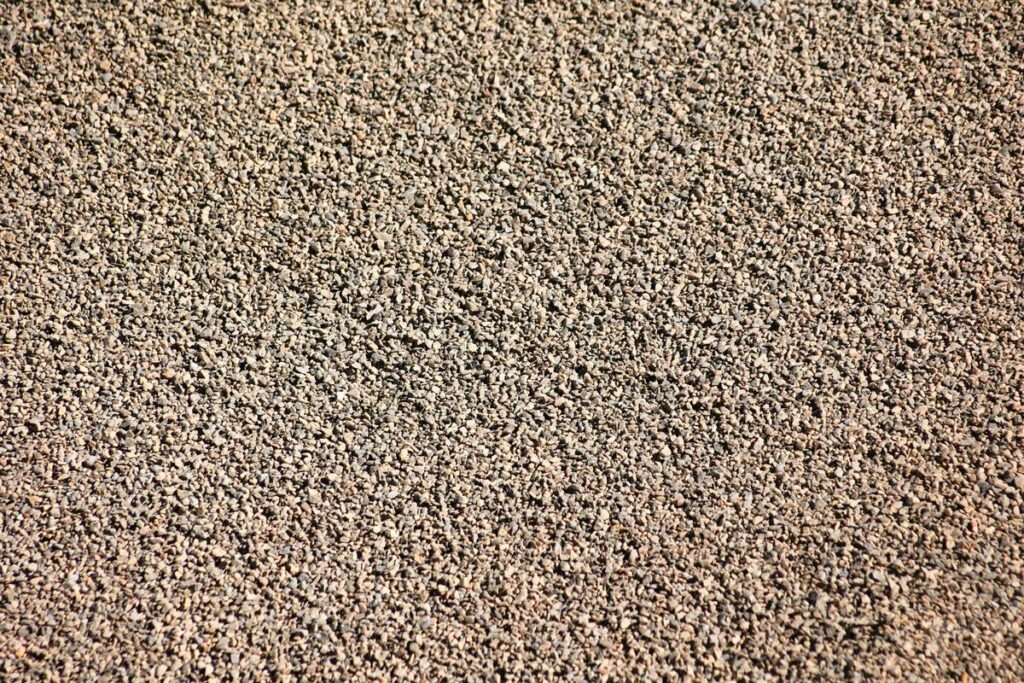
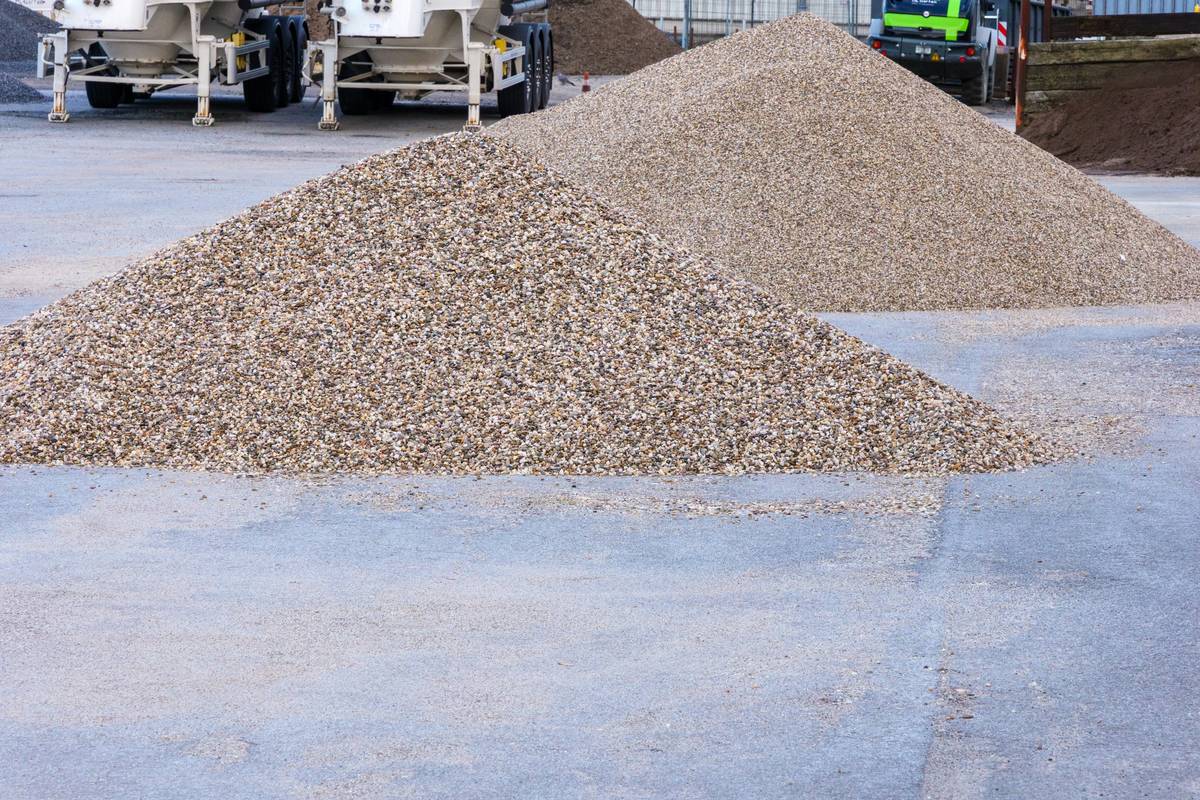
Avoid fine gravel or decomposed granite—they pack tightly. Opt for angular ⅜–¾ inch crushed limestone or river rock. These sizes resist settling and maintain air channels.
3. Prepare the Base Layer
Remove existing mulch or weeds. Do not install plastic or woven landscape fabric—it blocks gas exchange and traps heat. Roots breathe through the soil surface; sealing it suffocates them.
4. Apply the Correct Depth
Spread gravel 2–3 inches deep. Any thicker impedes rainwater infiltration; any thinner offers little drainage benefit. Use a rake, not a tamper—compacting defeats the purpose.
Best Practices for Maximizing Root Health
- Pair with organic matter: Mix compost into topsoil before adding gravel—this feeds microbes while gravel handles drainage.
- Keep gravel away from trunks: Leave a 3–4 inch gap around stems to prevent moisture buildup and fungal collar rot.
- Refresh annually: Gravel sinks over time. Top off every spring to maintain optimal depth.
- Avoid colored gravel: Dyed stones may leach chemicals. Stick to natural tones from reputable suppliers like those we vet at our About Us page.
And here’s a terrible tip you’ll still see online: “Just dump gravel over old mulch.” Don’t do it. Trapped organic matter underneath decomposes anaerobically, producing toxins that harm roots—completely negating any gravel root health benefits.
Real-World Results with Garden Gravel
Last summer, a Coconut Creek client replaced their failing St. Augustine lawn with a drought-tolerant native garden using 2 inches of local river rock. After six months, their irrigation use dropped by 45%, and soil oxygen levels (measured via DIY probe) increased from 8% to 19%. More impressively, plant survival rates jumped from 60% to 95% compared to neighboring beds without gravel.
This aligns with findings from the USDA Natural Resources Conservation Service, which notes that inorganic ground covers like gravel reduce evaporation and stabilize soil temperature—two factors directly tied to root resilience during heat stress.
Frequently Asked Questions
Does gravel really help plant roots?
Yes—when used correctly. Coarse gravel improves drainage and aeration, which directly supports gravel root health benefits by preventing rot and promoting oxygen uptake.
Can I use gravel for vegetable gardens?
Use cautiously. Most edibles prefer organic mulches, but gravel pathways between raised beds offer excellent drainage and reduce mud splatter on leaves.
How thick should garden gravel be for root health?
Aim for 2–3 inches. Thicker layers can block rainfall penetration; thinner ones shift easily and offer minimal benefit.
Is landscape fabric necessary under gravel?
No—and it’s often harmful. Fabric restricts root breathing and traps heat. Skip it for healthier plants and stronger gravel root health benefits.
What type of gravel is best for Florida gardens?
Local crushed limestone or river rock (⅜–¾ inch) works best. It’s pH-neutral, durable, and blends with native ecosystems.
Will gravel increase soil temperature too much?
Light-colored gravel reflects heat, but dark types can raise temps. In South Florida, opt for beige or gray river rock to avoid overheating sensitive roots.
Ready to give your garden the foundation it deserves? Proper gravel placement isn’t just about curb appeal—it’s a science-backed strategy for resilient, vibrant plants. If you’re unsure about materials or layout, our team at Contact Us offers free site assessments across Seminole and Coconut Creek. And rest assured, we follow strict data privacy standards—you can review our full policy here.
In gravel we trust—not for shine, but for silent support beneath the soil.