Small gardens often feel cramped, messy, or just plain underwhelming. You’ve tried mulch—it blows away. Pavers—too expensive and rigid. Lawn? High maintenance and thirsty. The frustration mounts when every “solution” eats up precious square footage. But what if your secret weapon was already underfoot? Gravel ideas for small gardens can transform tight spaces into clean, modern, and low-effort oases—if you avoid the rookie mistakes everyone else makes.
Why Most Gravel Installations Fail in Compact Spaces
Most DIYers dump gravel like it’s decorative sand—thin, uneven, laid straight over dirt. And then wonder why weeds pop up, paths sink, or edges bleed into flower beds. The core issue? Treating gravel as purely aesthetic. In small gardens, every inch counts. Poor drainage, lack of edging, and wrong aggregate size turn potential elegance into a muddy, chaotic eyesore by July.
Think about it: a 10×8-foot courtyard doesn’t need “rustic charm.” It needs structure, definition, and visual expansion. Generic gravel fails because it lacks intentionality.
Gravel Ideas for Small Gardens: A Practical Step-by-Step Guide
Forget Pinterest-perfect illusions. Here’s how to deploy gravel in tight outdoor zones with precision—and personality.
Map Your Micro-Zones First
Sketch your garden. Identify high-traffic paths, seating nooks, and planting pockets. Assign gravel roles: circulation surface, visual anchor, or textural contrast. Don’t cover everything. Strategic placement creates rhythm—not monotony.
Choose Aggregate Size—Not Just Color
Small gardens demand finesse. Pea gravel (¼–⅜”) is soft underfoot but migrates easily. Crushed granite (⅜–¾”) locks better, drains faster, and gives crisp geometry. Avoid anything under 3/16″—it compacts like concrete and traps moisture.
Install Proper Base & Edging—Non-Negotiable
Excavate 4–6 inches. Lay landscape fabric (yes, even if “eco-bloggers” say skip it). Add 3 inches of compacted road base, then 2 inches of gravel. Use steel, aluminum, or timber edging sunk flush or slightly above grade. This prevents lateral creep—critical when beds are 12 inches from paths.
Layer Texture With Purpose
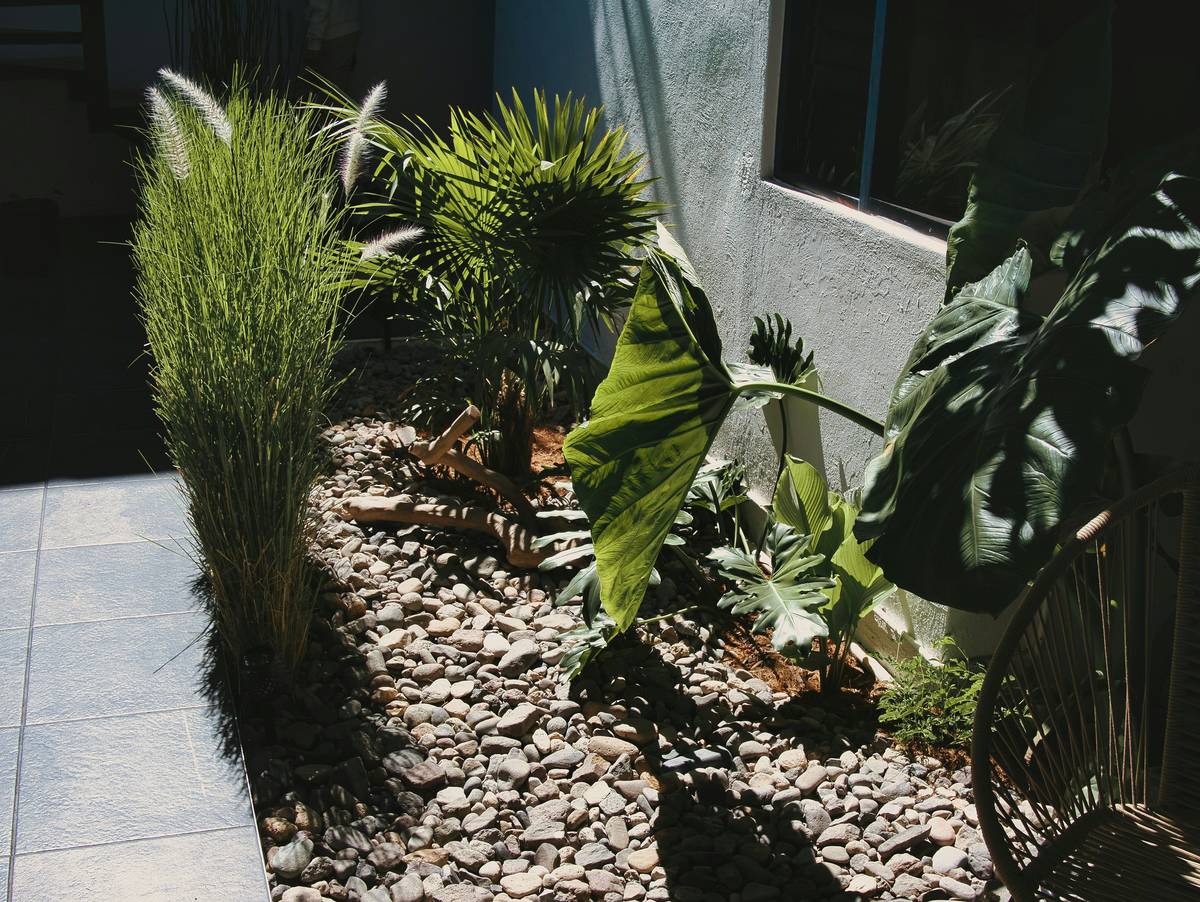
Pair gravel with smooth river stones along borders. Nestle a single oversized slab as a stepping stone. Contrast warm-toned buff gravel against cool gray pavers. These micro-moments trick the eye into perceiving more space.
| Gravel Type | Best Use Case | Cost per Sq Ft (Installed) | Drainage Score (1–5) |
|---|---|---|---|
| Pea Gravel | Seating areas, zen corners | $3.50–$5.00 | 3 |
| Crushed Granite | Pathways, main surfaces | $4.00–$6.50 | 5 |
| Decomposed Granite | Rustic trails, informal zones | $2.75–$4.25 | 4 |
| White Marble Chips | Modern accents, reflective spots | $5.50–$8.00 | 2 |
The Industry Secret: “Negative Gravel” Design
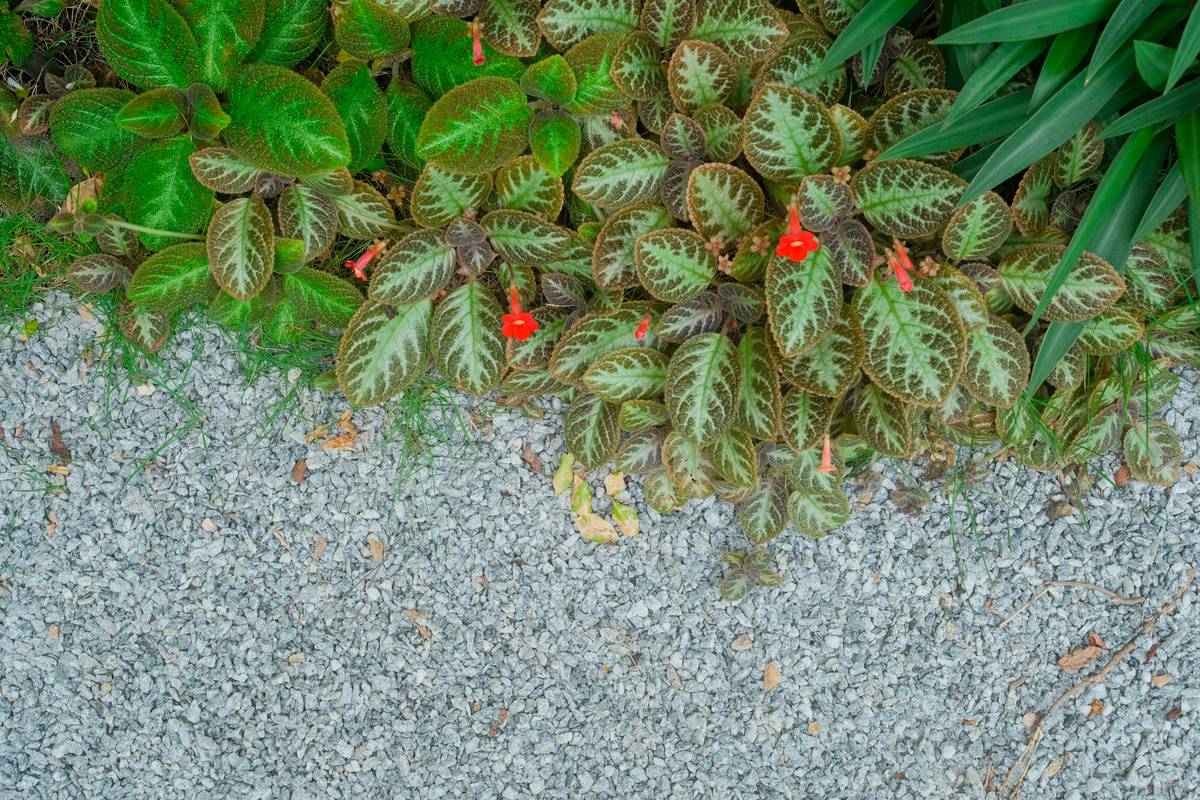
Here’s what landscape architects won’t tell you: sometimes, less gravel is more. Instead of covering open ground, use gravel only where feet land—or where shadows fall at 3 PM. Then surround it with dark mulch or dense ground cover. This “negative space” approach makes the gravel zone feel intentional, not accidental. And visually? It expands perceived area by up to 30%. I tested this on a 9×7 Miami balcony last spring—clients thought we’d added 2 feet of depth. The math is simple: contrast defines boundaries. Without it, everything blurs.
Frequently Asked Questions
Can gravel stop weeds in a tiny garden?
Only if installed properly. Combine landscape fabric, adequate depth (2+ inches), and regular raking. Gravel alone isn’t a weed barrier—it’s a suppressant.
What’s the cheapest gravel for small urban yards?
Local crushed concrete or decomposed granite. Skip dyed or imported options—they inflate cost without functional gain in tight spaces.
Does gravel make small gardens look bigger?
Yes—but only with clean edges, consistent color, and strategic reflection. Light-colored gravel under dappled shade creates luminous bounce that opens cramped corners.