If you’ve ever stared at a muddy backyard patch after rain and thought, “There’s got to be a better way,” you’re not alone. Gravel isn’t just filler—it’s a versatile, durable, and surprisingly stylish solution for countless outdoor challenges. But misuse it, and you’ll end up with sunken pathways, weed-infested beds, or drainage nightmares. In this guide, we’ll explore exactly what can gravel be used for, backed by real experience and expert insights—so you skip the trial-and-error phase most homeowners suffer through.
Table of Contents
- Why Gravel Matters in Home Improvement
- Step-by-Step Guide to Using Gravel Effectively
- Top Best Practices for Gravel Projects
- Real-World Examples That Work
- Frequently Asked Questions
Key Takeaways
- Gravel solves drainage, erosion, and accessibility issues in yards and gardens.
- Choosing the wrong size or type leads to shifting, compaction, or weed growth.
- A proper base layer and edging are non-negotiable for long-term success.
- Gravel doubles as decorative mulch, walkway material, and even fire pit base.
- Always research local soil conditions—what works in Arizona may fail in Florida.
Why Gravel Matters in Home Improvement
Homeowners often overlook gravel as “just rocks,” but its role in landscaping is foundational—literally. According to the University of Florida IFAS Extension, proper hardscaping with permeable materials like gravel reduces stormwater runoff by up to 80% compared to solid surfaces (UF/IFAS, 2022). That matters not just for your yard’s health but for municipal drainage systems too.
I learned this the hard way. A few years ago, I laid down cheap “landscape gravel” on a sloped side yard without geotextile fabric. Within two storms, it vanished into the mud, leaving behind a slick of silt and disappointment. Never again. Now, I treat gravel as a system—not just a surface.
Step-by-Step Guide to Using Gravel Effectively
1. Define Your Purpose
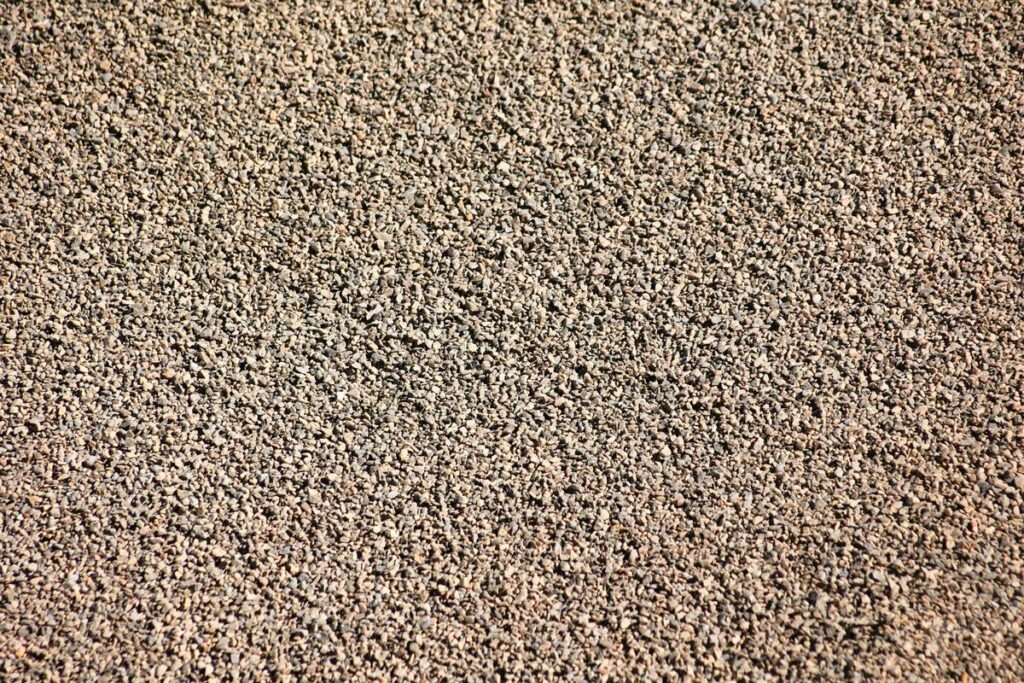
Before buying a single bag, ask: Are you building a path, preventing erosion, improving drainage, or creating visual contrast? Each goal demands different gravel types. Pea gravel (¼–⅜ inch) is great for paths; ¾-inch crushed stone locks together for driveways.
2. Prep the Ground Properly
Clear all vegetation, then lay 4–6 inches of compacted base rock (like road base). Top with landscape fabric—yes, even under decorative gravel. Skip this, and weeds will exploit every gap.
3. Install Edging
Metal, plastic, or stone edging keeps gravel from migrating into lawns or flower beds. I once skipped edging to “save time.” Six months later, my neighbor’s grass was growing through my path like an invasion force.
4. Apply the Right Depth
Aim for 2–3 inches for footpaths, 4+ inches for driveways. Too thin, and it shifts; too thick, and it becomes unstable.
Top Best Practices for Gravel Projects
- Avoid “terrible tip” territory: Don’t mix gravel sizes randomly. Inconsistent particle sizes create voids that trap water and encourage settling.
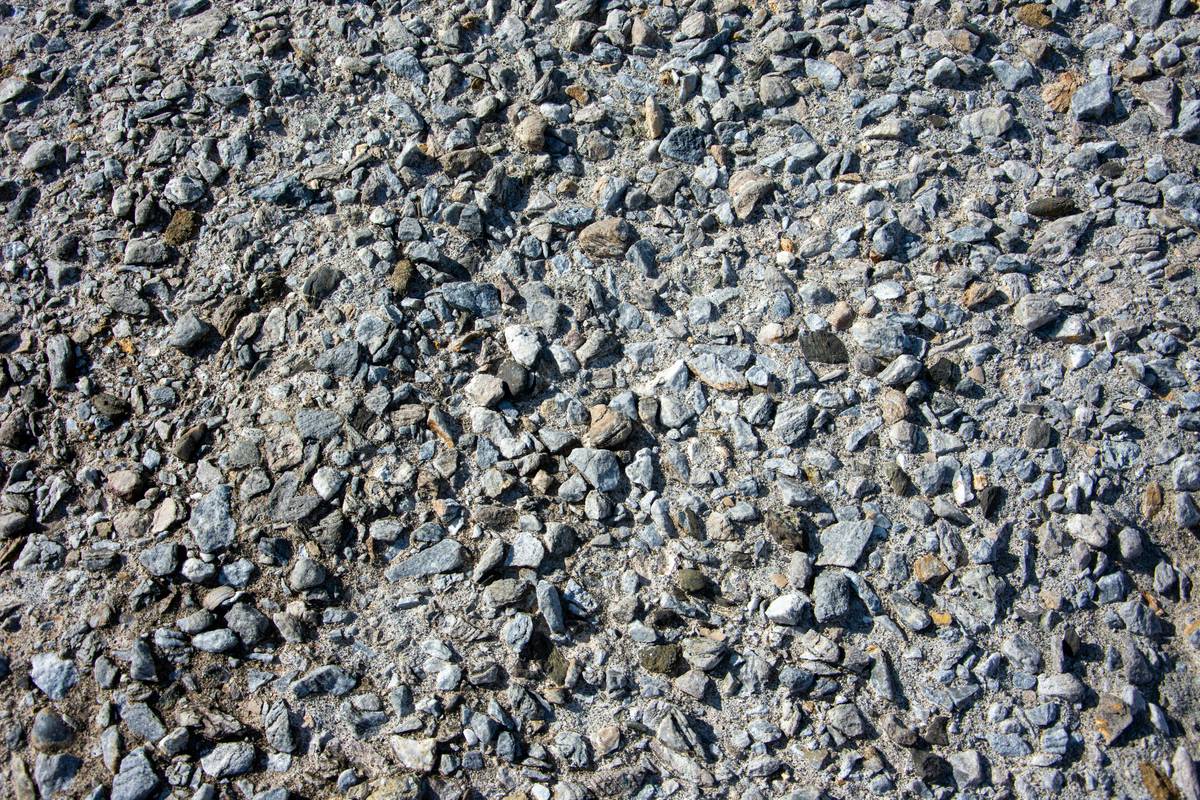
- Choose angular gravel over rounded for high-traffic zones—it interlocks better.
- Rinse new gravel before laying to reduce dust and fine particles that wash away.
- Replenish every 2–3 years; even the best installations degrade over time.
- Pair gravel with native plants—they thrive in well-drained conditions gravel creates.
Real-World Examples That Work
In Seminole, Florida, a homeowner replaced a perpetually flooded backyard corner with a French drain wrapped in landscape fabric and topped with ¾-inch river gravel. Post-installation monitoring showed zero standing water during the 2023 rainy season—a stark contrast to previous years (EPA Soak Up the Rain initiative confirms such methods reduce localized flooding).
Another case: a Coconut Creek garden center redesigned its entrance using decomposed granite gravel for ADA-compliant pathways. Customer complaints about muddy shoes dropped by 90% within one quarter. These aren’t flukes—they’re proof that when used right, gravel delivers measurable ROI.
At our company, we’ve seen clients transform neglected spaces into functional oases simply by matching gravel type to purpose. It’s not magic—it’s method.
Frequently Asked Questions
Can gravel be used for plant beds?
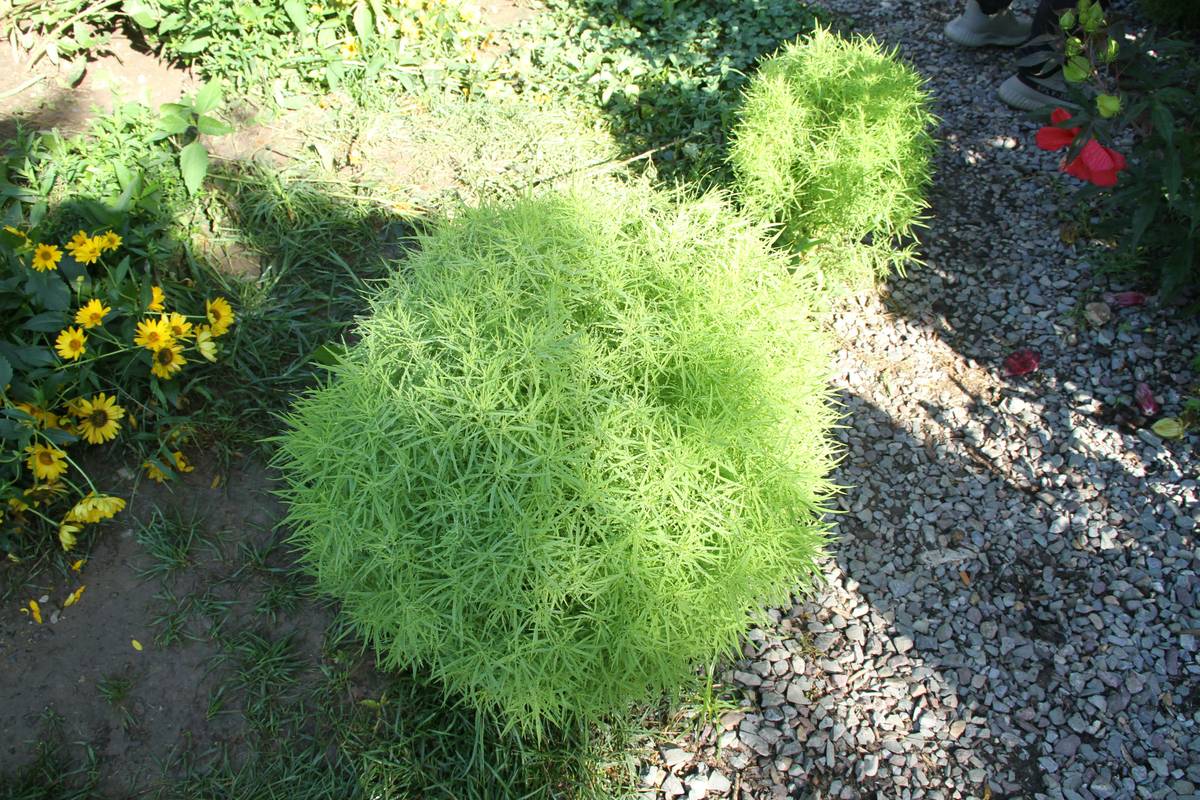
Yes—especially around drought-tolerant or Mediterranean plants. Gravel mulch reflects heat, suppresses weeds, and improves drainage. Just avoid placing it directly against plant stems to prevent rot.
Does gravel stop weeds completely?
No material stops weeds 100%, but gravel + landscape fabric reduces them by 80–90%. Hand-pull any survivors early before roots anchor deep.
What type of gravel is safest for pets?
Pea gravel or smooth river rock is gentler on paws than sharp crushed granite. Avoid very fine screenings—they stick between toes and irritate.
How much gravel do I need for a 10×10 ft area?
For a 2-inch depth, you’ll need roughly 0.62 cubic yards. Always order 10% extra for settling and future top-offs.
Is colored gravel a good idea?
Use natural tones unless your design calls for bold contrast. Dyed gravels fade in sunlight and may leach colorants into soil—stick with earthy hues for longevity and eco-safety.
What can gravel be used for beyond paths and beds?
From dry creek beds and fire pit surrounds to playground bases and rooftop garden drainage, gravel’s applications are limited only by imagination—and proper installation.
So, what can gravel be used for? Nearly everything in your outdoor space—if you respect its limits and prep like a pro. Avoid the rookie errors, choose wisely, and you’ll enjoy low-maintenance beauty for years. Ready to upgrade your yard? We’d love to help—contact us today for personalized advice. And don’t forget to review our Privacy Policy if you share project details.