Your backyard feels drab. Weeds push through mulch like they own the place. Rain turns pathways into mud pits. And every spring, you’re stuck redoing the same tired landscaping. It’s exhausting—and expensive. But what if you could install something that looks sharp year-round, drains like a dream, and laughs at crabgrass? That’s where smart gravel ideas for backyard come in—not as a filler, but as the foundation of outdoor design that actually works.
Why Most Backyard Gravel Projects Fail Within Two Seasons
People treat gravel like dirt’s cheaper cousin. They dump it on bare soil, call it a day, and wonder why it sinks, scatters, or becomes a cat toilet by August. The core issue? Skipping the base prep. Without proper edging and a weed barrier, gravel migrates—into your lawn, your shoes, your sanity.
And landscape fabric? Most store-bought rolls degrade in UV light within 18 months. Roots punch through. Weeds laugh. You lose.
Step-by-Step: Building a Gravel Backyard That Lasts a Decade+
This isn’t about shoveling rocks. It’s about engineering beauty with intention. Follow these steps—or keep replacing mulch every spring. Your call.
Select the Right Gravel Type for Your Climate
In humid zones like South Florida (yes, we see you, Seminole and Coconut Creek), avoid limestone screenings—they turn slick with algae. Opt for angular crushed granite or river rock. It locks together underfoot and resists mold.
Install a Double-Layer Base System
Scrape 4 inches of topsoil. Lay geotextile fabric (not landscape fabric—big difference). Then add 2 inches of compacted crusher run. Only then do you add your decorative layer. This prevents sinking and stops weeds cold.
Edge Like a Pro—Not a Weekend Warrior
Plastic edging curls. Metal bends. Go with poured concrete curbs or mortared stone borders. They cost more upfront—but zero maintenance for 15 years. Worth it.
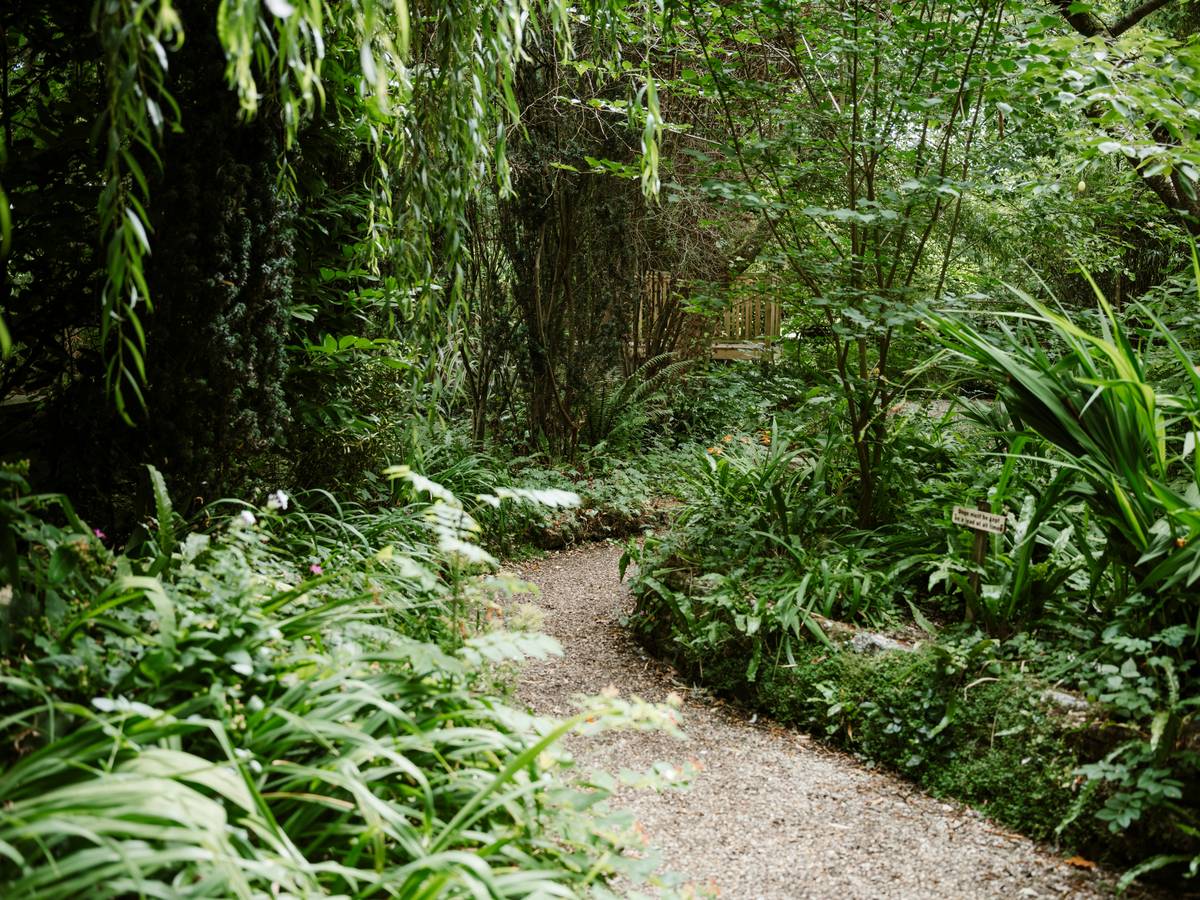
| Gravel Type | Best For | Cost per Sq Ft | Lifespan (Properly Installed) |
|---|---|---|---|
| Crushed Granite (Decomposed) | Pathways, Patios | $1.80–$2.50 | 10+ years |
| Pea Gravel | Decorative beds, Play areas | $2.00–$3.00 | 5–7 years (scatters easily) |
| River Rock (1–2”) | Drainage zones, Dry creek beds | $2.50–$4.00 | 15+ years |
| Marble Chips | Accents near pools | $3.00–$5.00 | 8–10 years (can get hot) |
The Industry Secret: Gravel as a Thermal Regulator
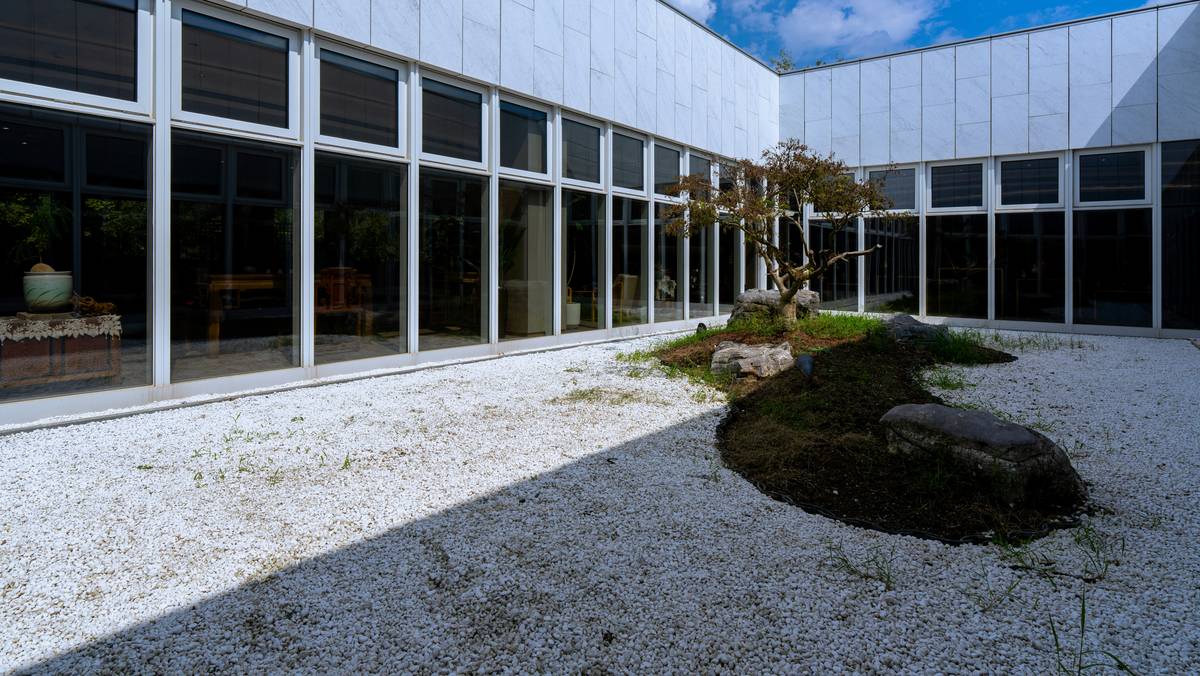
Most designers sell gravel for looks. The real insiders use it for climate control. Light-colored gravel reflects heat—critical in sun-drenched backyards like ours in Central Florida. A 300-sq-ft gravel zone can lower ambient air temp by up to 9°F compared to pavers or dark mulch. That’s not aesthetics. That’s physics. Pair it with drought-tolerant plants, and you’ve got a microclimate that thrives without daily watering. Contractors won’t tell you this—it cuts into their irrigation system commissions.
Frequently Asked Questions
Can I put gravel directly over grass?
No. Grass will grow through and destabilize the layer. Always remove sod, install geotextile fabric, and compact the base first.
How deep should backyard gravel be?
For paths: 2–3 inches over compacted base. For decorative beds: 1.5–2 inches. Any deeper, and it becomes unstable underfoot.
Does gravel attract snakes or rodents?
Not if installed correctly. Loose, deep gravel might offer hiding spots—but a tightly packed 2-inch layer over solid base deters burrowing animals. Keep it maintained.