Few garden styles promise beauty with so little upkeep—yet most gravel gardens fail within a year. Why? Because people treat gravel like mulch, not infrastructure. The result? Weeds erupt, plants drown or desiccate, and that sleek, Mediterranean vibe turns into a dusty eyesore. Here’s how to plant a gravel garden that actually thrives—with half the water and zero regret.
Why Your Gravel Garden Keeps Failing
Gravel isn’t just decorative rock. It’s a hydrological system. Most DIYers dump 2 inches over compacted soil and call it a day. Big mistake.
Water either pools (killing drought-tolerant roots) or vanishes instantly (starving everything else). And without proper edging? Rain washes your expensive gravel into the neighbor’s yard by May.
Here’s the reality: A gravel garden only works if you engineer drainage *before* adding a single stone. Skip this—and you’re landscaping with hope, not strategy.
How to Plant a Gravel Garden: Step-by-Step
Step 1: Design for Drainage, Not Just Looks
Start with a 5–7% slope away from structures. Use a level and string line—don’t eyeball it. Then, excavate 6–8 inches deep across the entire bed. This isn’t optional.
Step 2: Build the Base Like a Road
Lay landscape fabric—but only after installing a 2-inch layer of crushed stone (¾” minus). Compact it. This prevents capillary rise that wicks moisture upward and feeds weeds. Yes, it’s extra work. No, there’s no shortcut.
Step 3: Choose Plants That Actually Belong
Forget roses or hydrangeas. Stick to species evolved for rocky, lean soils: Sedum, Stachys byzantina (lamb’s ear), Euphorbia characias, or native grasses like Muhlenbergia capillaris. Their shallow roots hug the surface—perfect for thin soil pockets above gravel.
Step 4: Install Gravel Like a Pro
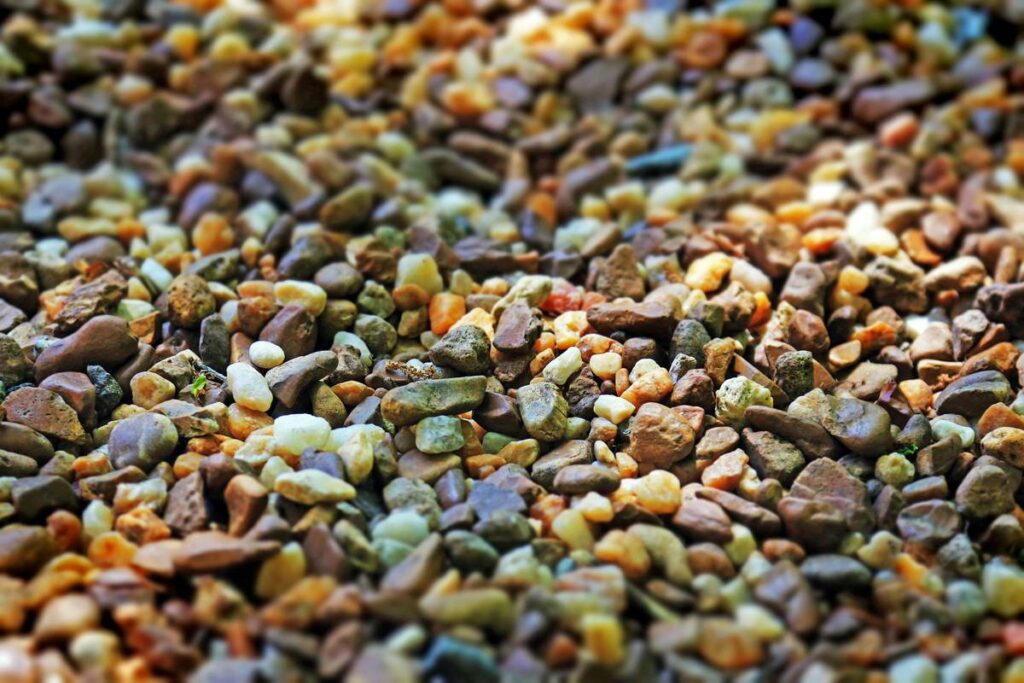
Use angular gravel (not rounded pea stone)—it locks in place. Depth matters: 2–3 inches over planting zones, 3–4 inches on paths. And always cap the perimeter with steel or concrete edging. Wood rots. Plastic heaves. Metal stays put.
| Gravel Type | Best For | Cost per Sq Ft | Weed Resistance |
|---|---|---|---|
| ¼”–¾” Crushed Granite | Planting beds | $1.20–$2.00 | High (angular interlock) |
| Pea Gravel (Round) | Decorative paths only | $0.90–$1.60 | Low (shifts easily) |
| Decomposed Granite | High-traffic areas | $0.75–$1.40 | Moderate (requires stabilizer) |
The Industry Secret: “Soil Islands,” Not Solid Beds
Top designers don’t blanket the entire area with uniform soil. They create “soil islands”—discrete pockets of amended earth where each plant lives. Everything else? Pure gravel down to the sub-base.
This slashes water use by 60% and eliminates root competition. Plus, weeds can’t bridge between islands. You’ll spend less time weeding and more time admiring. It’s counterintuitive—but it’s why high-end xeriscapes look effortless for decades.
Think about it: Nature doesn’t grow lavender in flat, fertile loam. It clings to rocky outcrops. Mimic that—and your gravel garden becomes self-sustaining.
Frequently Asked Questions
Can you grow vegetables in a gravel garden?
No. Edibles need rich, moisture-retentive soil. Gravel gardens are for ornamental, drought-adapted species only.
How deep should gravel be around plants?
Keep it to 2 inches max near stems. Deeper gravel traps moisture against crowns—inviting rot. Angle stones gently away from the base.
Do I need to replace gravel yearly?
Not if installed correctly. Quality angular gravel lasts 10+ years. Top off only if erosion occurs—usually due to poor edging or slope issues.